Monday, February 6, 2012

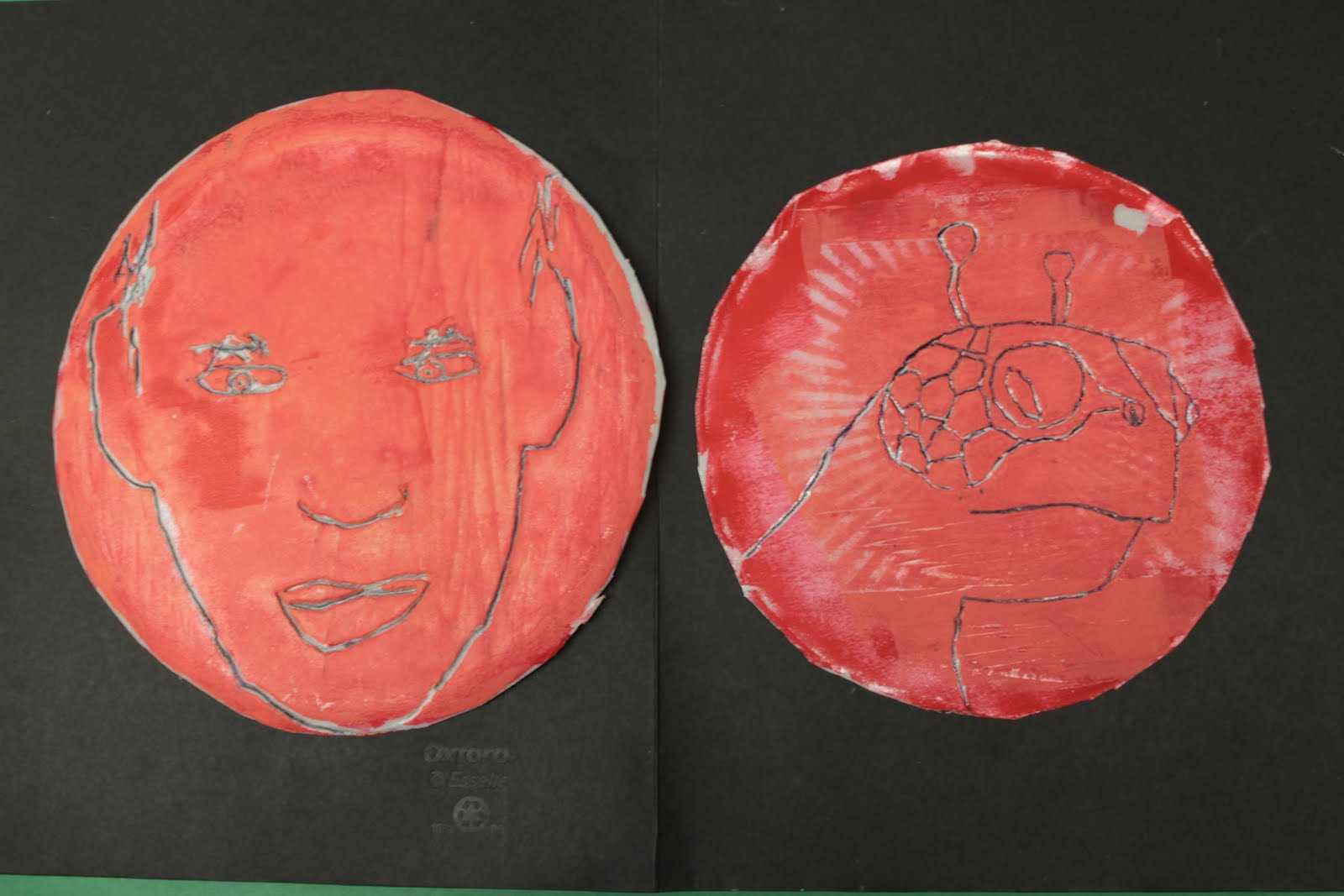
Fifth Grade Printmaking


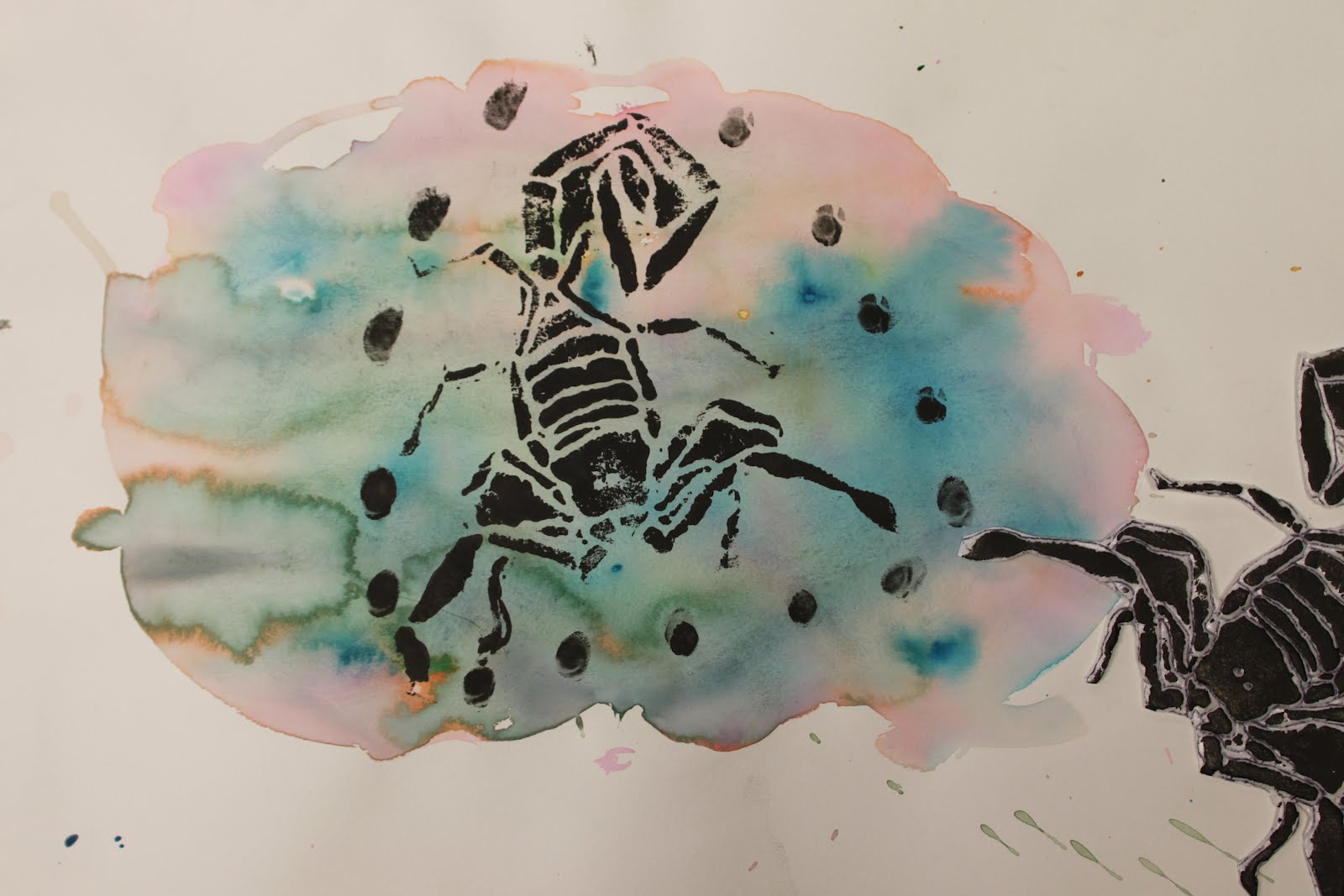
One of my favorite aspects of printmaking is the ability to print onto a pre made surface.
I cut out specific images from magazines that had interesting colors to serve as a background
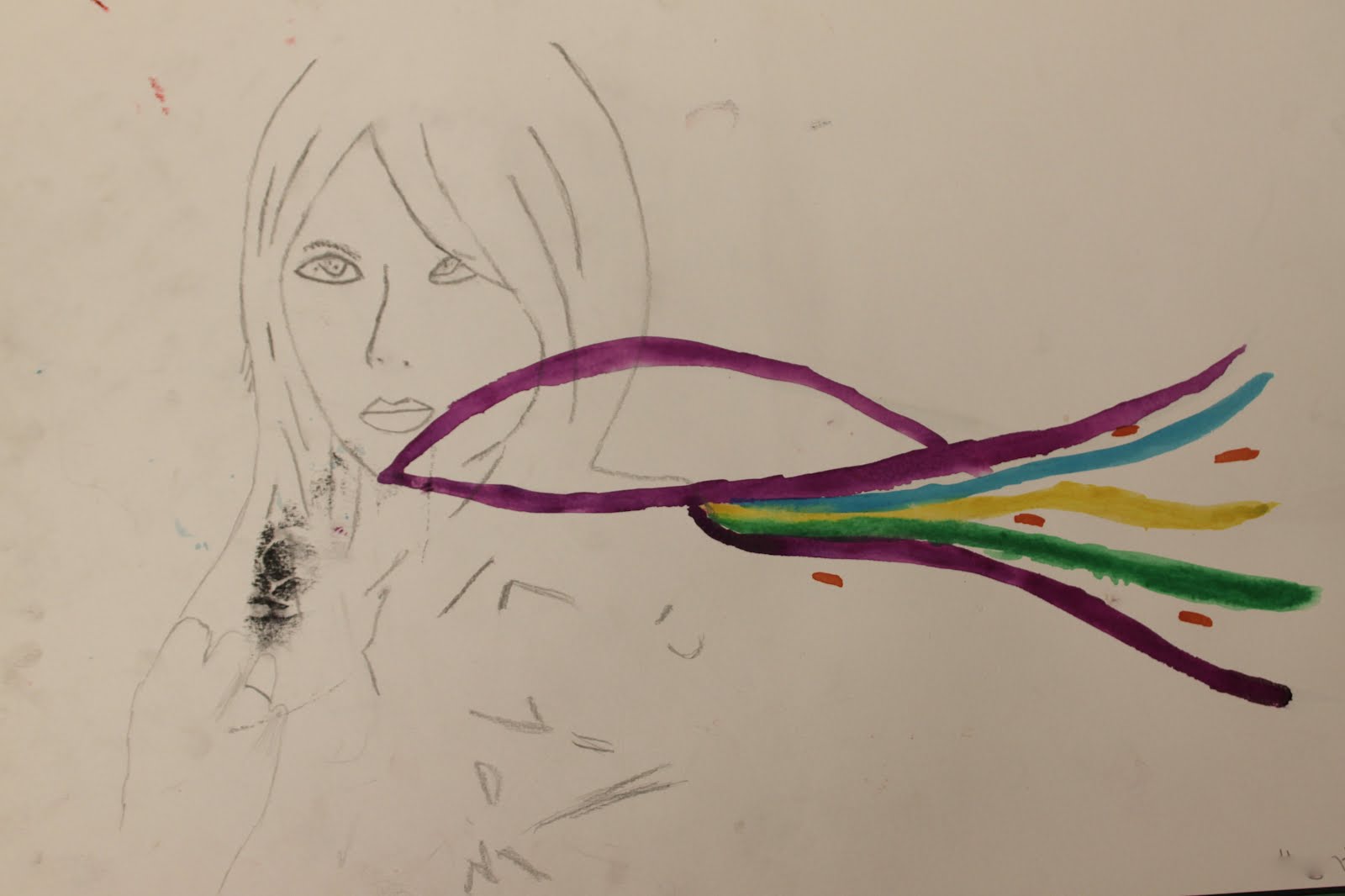
to the students prints. The students created various portrait prints using a tracing paper
transfer method. We then spent one whole class time turning the room into a printing studio full of creation and exploration. Here are some examples from the day.


Tuesday, November 29, 2011

Kindergarten Watercolor and Sea Salt


Visual Arts Kindergarten

Communication and Expression Through Original Works of Art

2.5 Use lines in drawings and paintings to express feelings.


In this lesson I wanted to infuse various media with musical rhythm.
The first part of the lesson focused on drawing lines with crayons while listening to
different styles of music. Each style of music helped fuel the style of lines created.
Once each student had finished using crayon on the watercolor paper,
we began to use a new painting technique the students had never seen before.

By adding water to the paper first, simply touching watercolor paint to the water
will allow the paint to spread fast through the water.
We discussed how art can act like a science experiment and show chemical reactions.
The paint touching the water, had a direct reaction that was visible to the students.
The students loved to watch the paint act on its own!

While the paint was wet, we created another chemical reaction
using the watercolor paint and coarse sea salt.
The sea salt acts like a sponge to the water, soaking it up and drying the water out.
This chemical reaction creates a very interesting effect to the paint by actually soaking up the color and leaving slightly less opaque spots.
When the paint has dried, scrape away the salt to be used again in
a future sea salt lesson.




Monday, November 28, 2011

First Grade Impressionist Portraits: Parts 1 and 2


Develop Perceptual Skills and Visual Arts Vocabulary

1.2 Distinguish among various media when looking at works of art (e.g., clay, paints, drawing materials).


Communication and Expression Through Original Works of Art

2.8 Create artwork based on observations of actual objects and everyday scenes

In the first part of one of my favorite painting lessons, the first graders learned
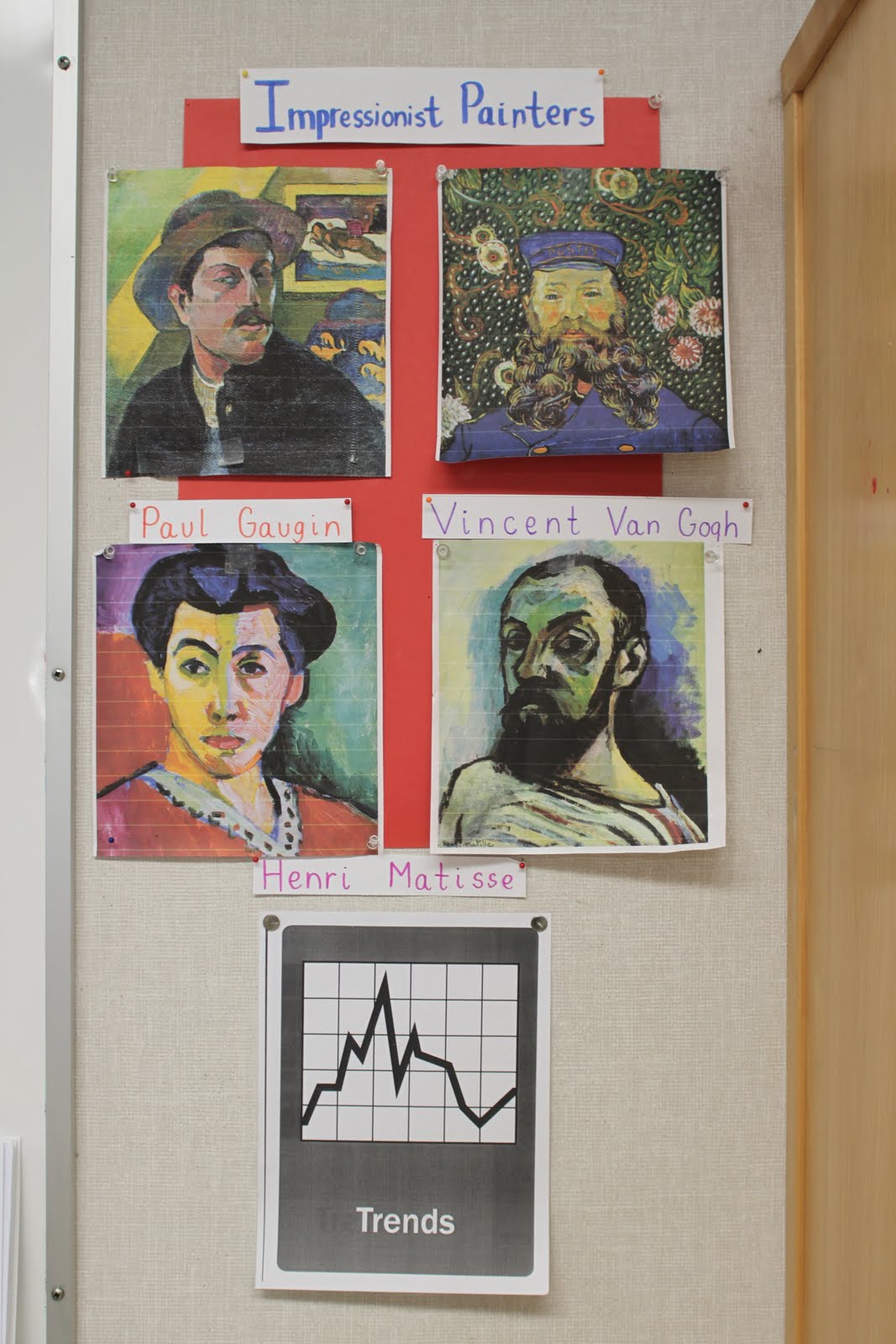
about the Impressionist painters of the late 1800s.
We discussed their radical use of color and how they were viewed by critics and
other members of the art world.
This lesson is conducted in three parts:
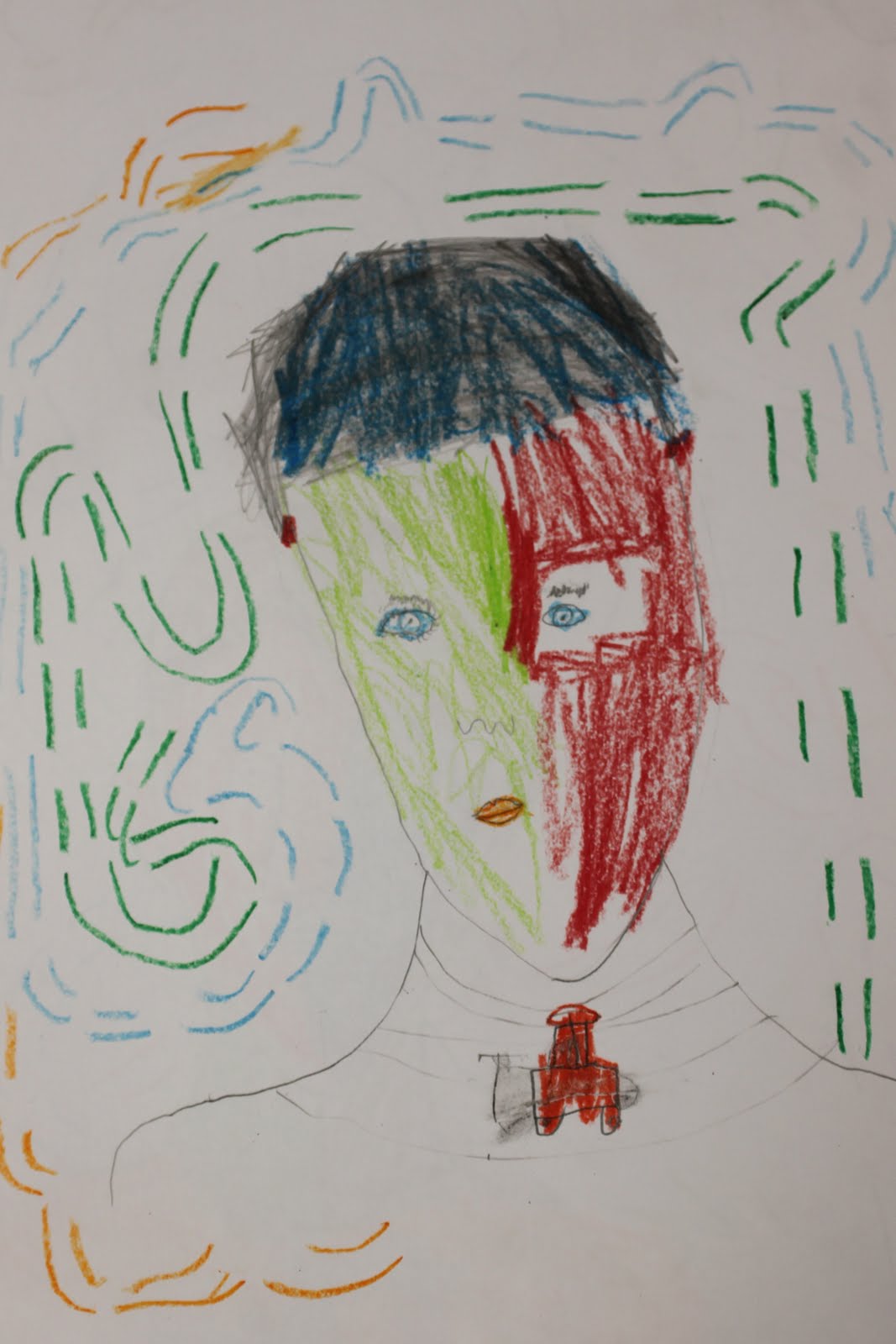
1. the pencil sketch - students learn step by step how to
properly draw a human portrait
2. outlining the portrait in crayon and adding a base layer of color using crayons
3. Using watercolor and sea salt to add the second layer of color

Stay tuned for part 3 and the final results, tomorrow November 29!


I placed images of famous Impressionist painters on the table to help
encourage students to use colors they wouldn't normally use to color a portrait.